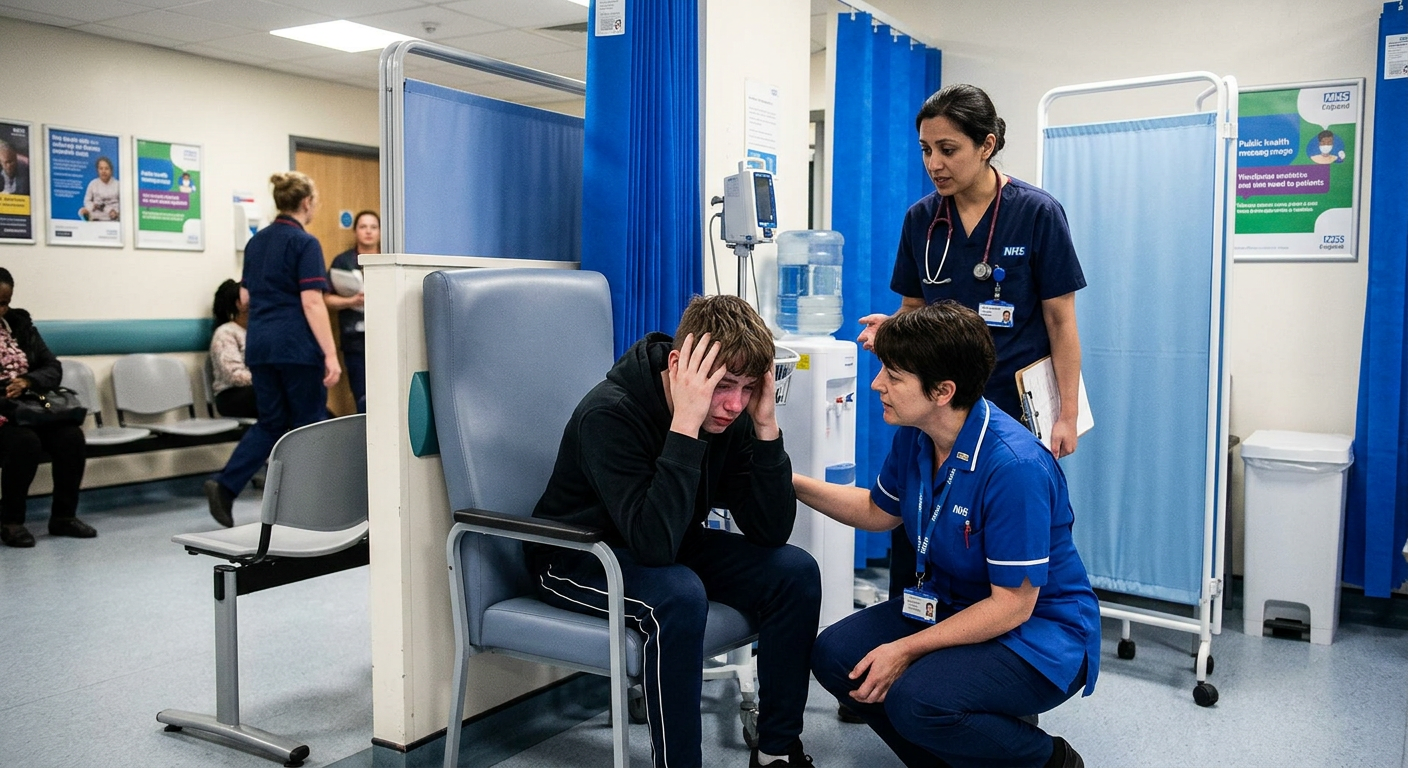
NHS to Trial Major ‘Fit Note’ Overhaul as Ministers Target Long-Term Sickness Crisis
The NHS is set to launch a series of major pilot schemes that could transform how “fit notes” — previously known as sick notes — are issued across England, as ministers seek to tackle rising levels of long-term sickness and support more people back into work.
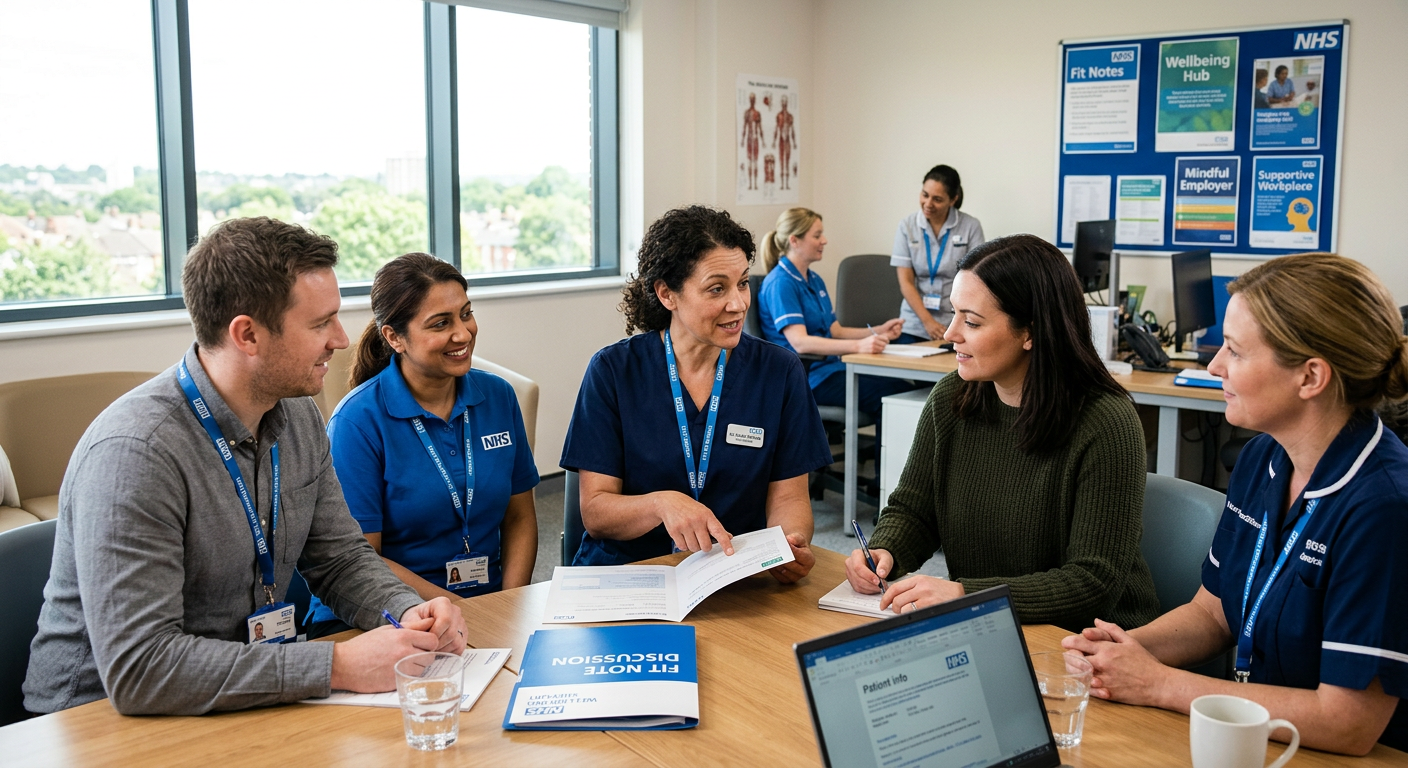
Under the new NHS trials, some patients requesting a fit note may no longer see a GP at all. Instead, they could be referred directly to occupational therapists, work coaches, mental health specialists and “social prescribers” who will provide tailored support designed to help individuals remain in employment while managing their health conditions.
The move forms part of a wider government strategy aimed at reducing the number of people economically inactive due to long-term illness, which currently stands at approximately 2.8 million across the UK.
More than 11 million NHS fit notes were issued last year alone, with the overwhelming majority declaring patients “not fit for work”. Ministers are now looking to reform the system amid growing concern that traditional sick notes can unintentionally leave people disconnected from employment for extended periods.
Four pilot schemes are expected to launch across NHS Integrated Care Boards in England, testing a range of alternative approaches to fit note assessments and workplace support.
Two of the pilots will allow patients to bypass GPs entirely when seeking a fit note, instead accessing specialist support services focused on rehabilitation, workplace adjustments, mental wellbeing and practical lifestyle interventions.
The remaining pilots will see GPs provide an initial fit note before referring patients for additional support if longer absences are required.
The schemes are expected to make use of the existing WorkWell initiative, which combines health support with job coaching and workplace advice to help individuals remain in or return to employment more quickly.
Healthcare leaders believe the reforms could reduce pressure on GP services while improving personalised support for patients experiencing mental health conditions, musculoskeletal problems and other long-term health issues that commonly lead to workplace absence.
The government is expected to trial a wide range of support services during the programme, including physiotherapy, occupational health advice, exercise programmes, counselling and social prescribing initiatives such as gardening and community wellbeing activities.
Pat McFadden is reportedly leading efforts to reform the current fit note system, with ministers increasingly viewing long-term sickness as both a major public health challenge and a growing economic issue.
Supporters of the proposals argue that earlier intervention and more tailored workplace support could help thousands of people avoid falling out of employment altogether.
However, medical leaders have stressed that any reforms must continue to prioritise patient wellbeing above economic targets.
Royal College of General Practitioners president Professor Victoria Tzortziou Brown said GPs are open to exploring alternative approaches for longer-term fit notes, particularly where occupational health expertise may be more appropriate.
She also warned that any changes to the fit note system must remain focused on delivering safe, patient-centred care.
The NHS pilots mark one of the most significant proposed changes to workplace health support in recent years and could play a major role in shaping the future of sickness absence management across the UK.