MEDICA 2025 Calls for Higher Innovation Ceiling in NHS Technology Reform
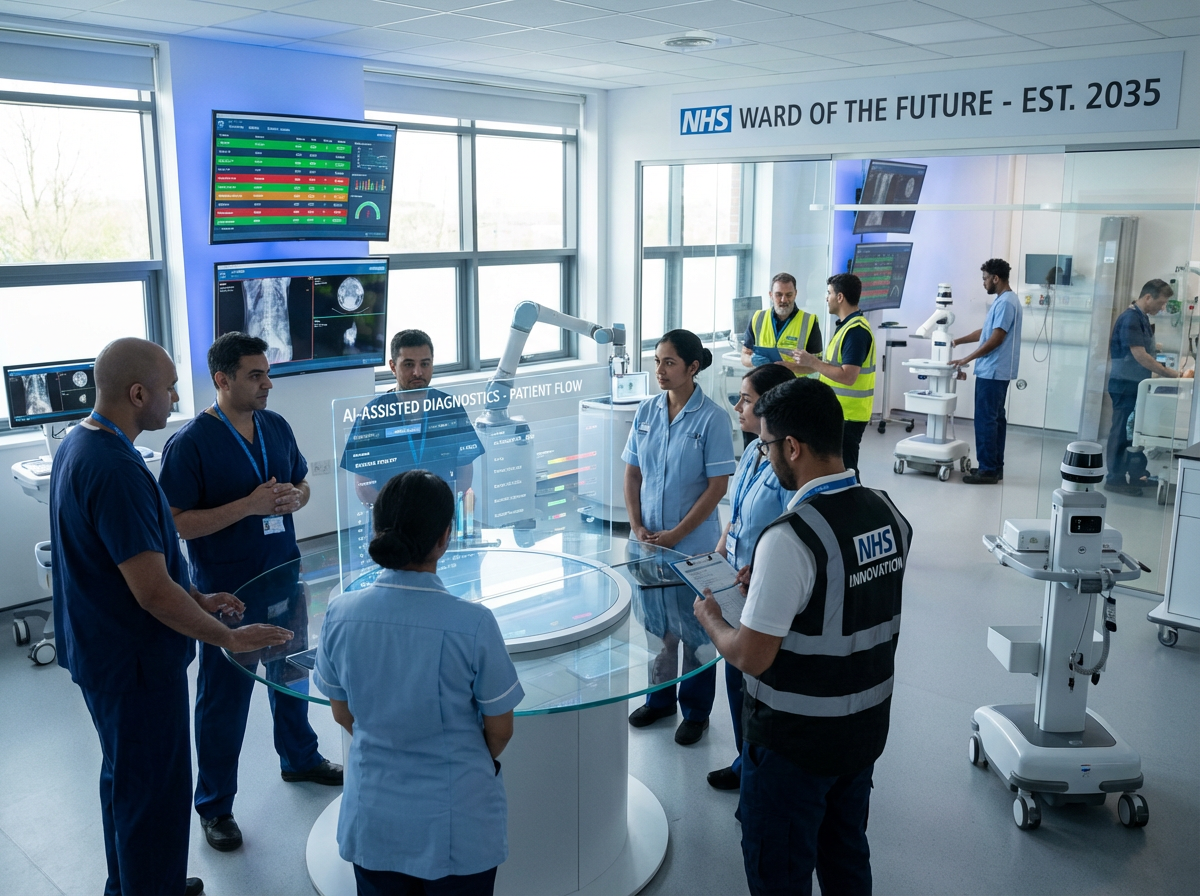
Experts at MEDICA 2025 have called for a more strategic and thoughtful approach to implementing technology across the UK’s National Health Service (NHS), highlighting the need for innovation that transforms patient care pathways rather than simply updating existing processes.
During a panel discussion at MEDICA 2025, Vee Mapunde, co-director at the NIHR HealthTech Research Centre in Accelerated Surgical Care, emphasised the importance of setting realistic expectations for digital health tools in the NHS.
“There’s a lot of talk around AI being brought into the NHS, but the reality is that the tech itself isn’t that intelligent – it’s doing things the system could already achieve with existing tools,” Mapunde said.
Mapunde stressed that meaningful innovation should go beyond incremental improvements and should aim to transform entire care pathways, delivering measurable benefits for both clinicians and patients. “Innovation is not just about improving a single process — it’s about changing the way care is delivered entirely.”
The NHS has been actively embracing digital transformation through initiatives such as NHS app upgrades, hospital digitisation, and improved access to diagnostic data. The UK Government’s 10-Year NHS Health Plan, launched in July 2025, sets out ambitions to move the NHS from analogue systems to a fully digital service while promoting preventative care. Similarly, the Life Sciences Sector Plan aims to leverage research and development to drive health innovation and NHS reform.
However, experts warn that introducing new technology without careful planning can be disruptive. Professor Iain Hennessey, Director of Innovation at Alder Hey NHS Foundation Trust, highlighted the stress experienced by care teams when technology is “foisted” upon them.
“Technology is coming ever more rapidly, and this can lead to increased stress for care teams. The ideal approach is to involve patients, healthcare staff, and engineers in designing solutions together. This creates a more receptive environment for adoption and ensures the technology meets real clinical needs.”
The panel concluded that successful NHS innovation requires co-designed solutions, realistic implementation strategies, and a focus on technologies that meaningfully improve patient outcomes. MEDICA 2025 showcased how a balanced approach to digital health can unlock transformative potential in the NHS and across global healthcare systems.