Billions Redirected to Frontline NHS Care Following Major Reform
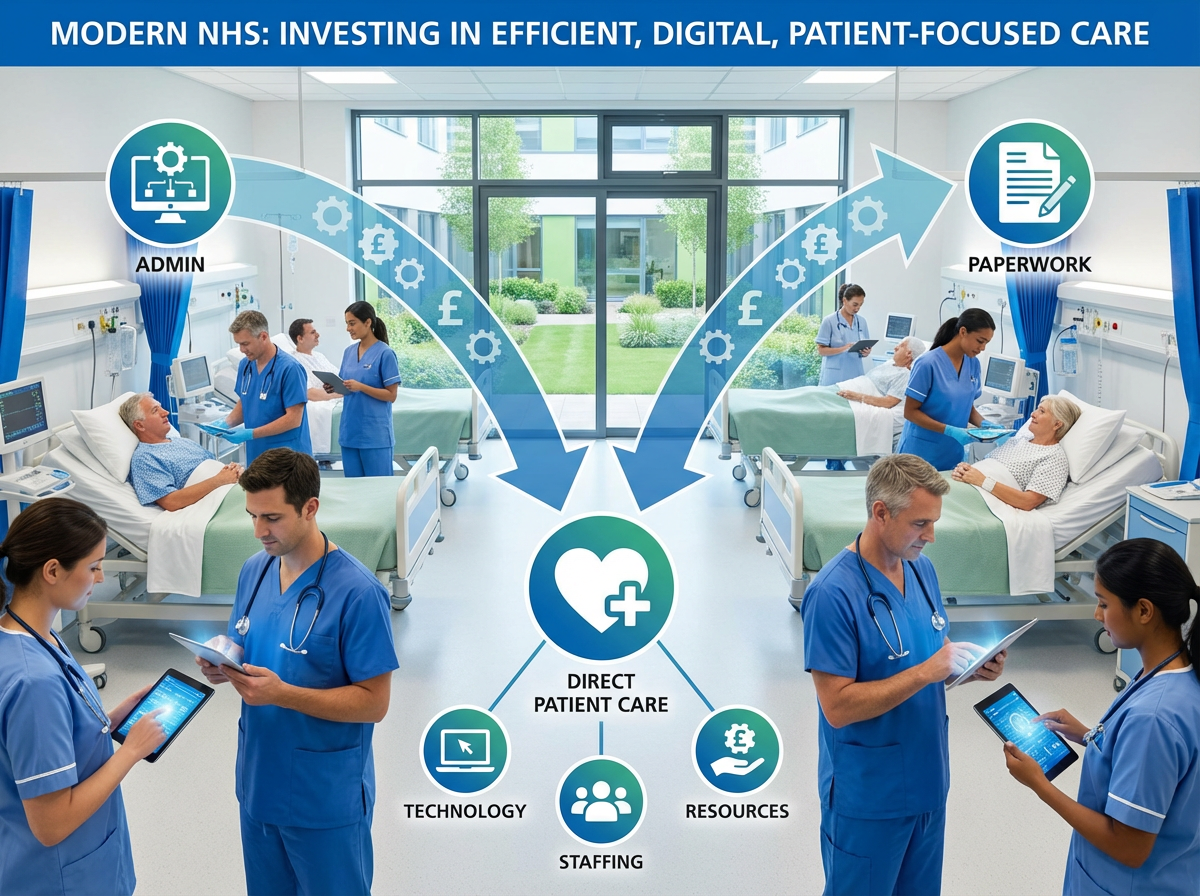
Patients across England are set to benefit from faster, more effective care thanks to groundbreaking reforms that will redirect billions of pounds back into frontline NHS services. Health and Social Care Secretary Wes Streeting today announced plans to cut unnecessary bureaucracy, streamline NHS England, and reinvest savings into patient care.
The reforms will see the integration of NHS England with local health systems, cutting duplication and abolishing around 18,000 administrative posts. This will save over £1 billion annually, funds that will be reinvested directly into improving services, reducing waiting times, and expanding access to care. Every £1 billion saved could fund an extra 116,000 hip and knee operations, demonstrating the tangible impact of efficiency measures.
“Patients expect care fit for the 21st century. By reducing wasteful bureaucracy and reinvesting in frontline services, we’re making the NHS more effective, modern, and responsive,” said Wes Streeting.
The reforms will also give greater autonomy to local NHS leaders, enabling them to make decisions that best serve their communities. Integrated Care Boards (ICBs), established in 2022, will see a 50% reduction in headcount and be tasked with clear, strategic roles focused on preventing illness and improving patient outcomes.
This ambitious programme builds on the UK Government’s record £29 billion funding boost for the NHS, ensuring no cuts to frontline services. Additional investment is earmarked for digital transformation, technology upgrades, recruitment of thousands of new GPs, and 700,000 urgent NHS dentist appointments annually.
Sir Jim Mackey, NHS England CEO, welcomed the announcement, saying:
“This is excellent news for NHS staff and patients. Streamlining administration frees up resources for frontline care and supports our mission to improve efficiency, productivity, and patient outcomes.”
Already, efficiency measures and new investments are delivering results:
- Waiting lists cut by 200,000for the first time in 15 years
- GP patient satisfaction improving for the first time in a decade
- Productivity growth of 2.4% through smarter resource use
- Over100 community diagnostic centres open, providing services 12 hours a day, seven days a week
The reinvestment of savings from bureaucracy reduction is expected to raise £1 billion a year by the end of Parliament and contribute to a wider £17 billion departmental efficiency drive over three years.
Health Secretary Wes Streeting concluded:
“We are committed to making every penny count, ensuring the NHS delivers high-quality, accessible care for everyone. This is a pivotal step in modernising the service and putting patients at the heart of everything we do.”