BIP.Verco explores sustainability, transformation and the patient care pathway
Ahead of Decarbonising Life Sciences 2026, event sponsor BIP.Verco has shared its perspective on some of the key sustainability challenges facing the life sciences sector and why looking beyond organisational boundaries could help unlock new opportunities for decarbonisation.
BIP.Verco is the sustainability centre of excellence within global management consultancy BIP, which operates across 15 countries. The organisation works with pharmaceutical, biotechnology and healthcare businesses to address complex sustainability, transformation and innovation challenges.
Its work within life sciences spans energy and resource efficiency in manufacturing, decarbonisation strategies, sustainability reporting and governance, data and digital capabilities, clinical process optimisation and the use of AI and technology to create more efficient ways of working.
BIP.Verco has worked with a number of leading organisations across the sector, including AstraZeneca, GSK, Bayer, Danaher, Cytiva and Regeneron.
A central theme of its work is helping organisations create value through sustainability, optimisation and transformation – something that will form a key part of its contribution to Decarbonising Life Sciences 2026.
Looking beyond organisational boundaries
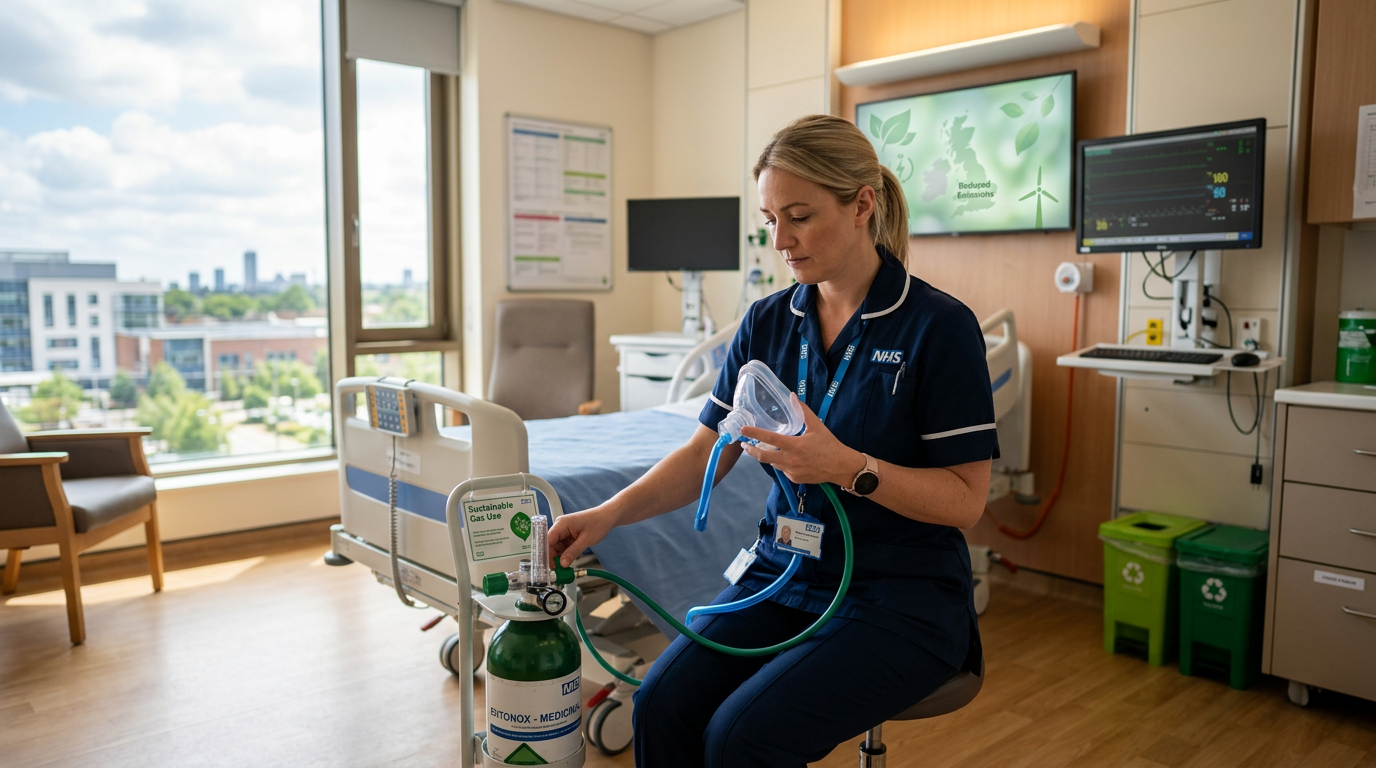
At this year’s conference, BIP.Verco will explore the potential of viewing sustainability through the lens of the patient care pathway.
The consultancy says many sustainability leaders recognise that some of healthcare’s biggest opportunities sit beyond the boundaries of individual organisations.
While patients experience healthcare as a pathway, sustainability challenges are often addressed within separate organisational silos. According to BIP.Verco, this can restrict collaboration and potentially limit the scale of progress that can be achieved.
Through recent research, webinars and conversations with sustainability leaders, the organisation has identified growing interest in whether a patient care pathway perspective could help businesses identify new opportunities, engage a broader range of stakeholders and develop stronger business cases for sustainability initiatives.
This does not mean moving away from improving organisations’ own operations. Instead, BIP.Verco sees the patient care pathway as an additional lens that could help identify and unlock impact across the wider healthcare system.
Turning sustainability ambition into delivery
One of the most consistent challenges identified by BIP.Verco is not a shortage of sustainability opportunities, but the difficulty organisations can face in securing investment, aligning stakeholders and turning ambitions into tangible action.
Many life sciences businesses are already improving clinical trials, partnering with healthcare systems, developing patient support programmes, deploying digital solutions and strengthening collaboration throughout their value chains.
However, BIP.Verco believes there is an opportunity to better connect these activities through a broader patient care pathway vision.
The consultancy has also identified a gap between the level of interest in the patient care pathway concept and organisations’ confidence in applying it in practice.
Overcoming this requires more than sustainability expertise alone.
BIP.Verco believes organisations need to bring together sustainability, transformation, data, digital capabilities, stakeholder engagement and implementation to address increasingly complex challenges.
Through the wider BIP Group, the consultancy combines BIP.Verco’s sustainability expertise with specialists in areas including business transformation, service design, data, digital and AI.
Rather than presenting the patient care pathway as a single solution, BIP.Verco sees it as a way of thinking that can help organisations connect these capabilities and potentially create greater impact.
Starting a new sustainability conversation
At Decarbonising Life Sciences 2026, BIP.Verco will share themes emerging from its patient care pathway research and conversations with sustainability leaders across the sector.
Rather than presenting delegates with a definitive blueprint, the team hopes to encourage discussion around how organisations can approach sustainability from new perspectives.
BIP.Verco said there is already strong interest and growing momentum around the patient care pathway, alongside examples of organisations putting elements of the approach into practice. However, there is not yet a single established model for the sector to follow.
This has led the organisation to pose a key question:
If sustainability leaders looked at healthcare through the lens of the patient care pathway, rather than from within organisational boundaries, what new opportunities might become visible?
BIP.Verco will explore this question with delegates at Decarbonising Life Sciences 2026 and will also have a stand in the Networking Surgery, where attendees can access a range of free resources and reports covering sustainability challenges and trends across the sector.
Meet BIP.Verco and hear more about its patient care pathway research at Decarbonising Life Sciences 2026 this September.