NHS Accelerates AI Rollout in £10bn Digital Overhaul to Cut Waiting Times
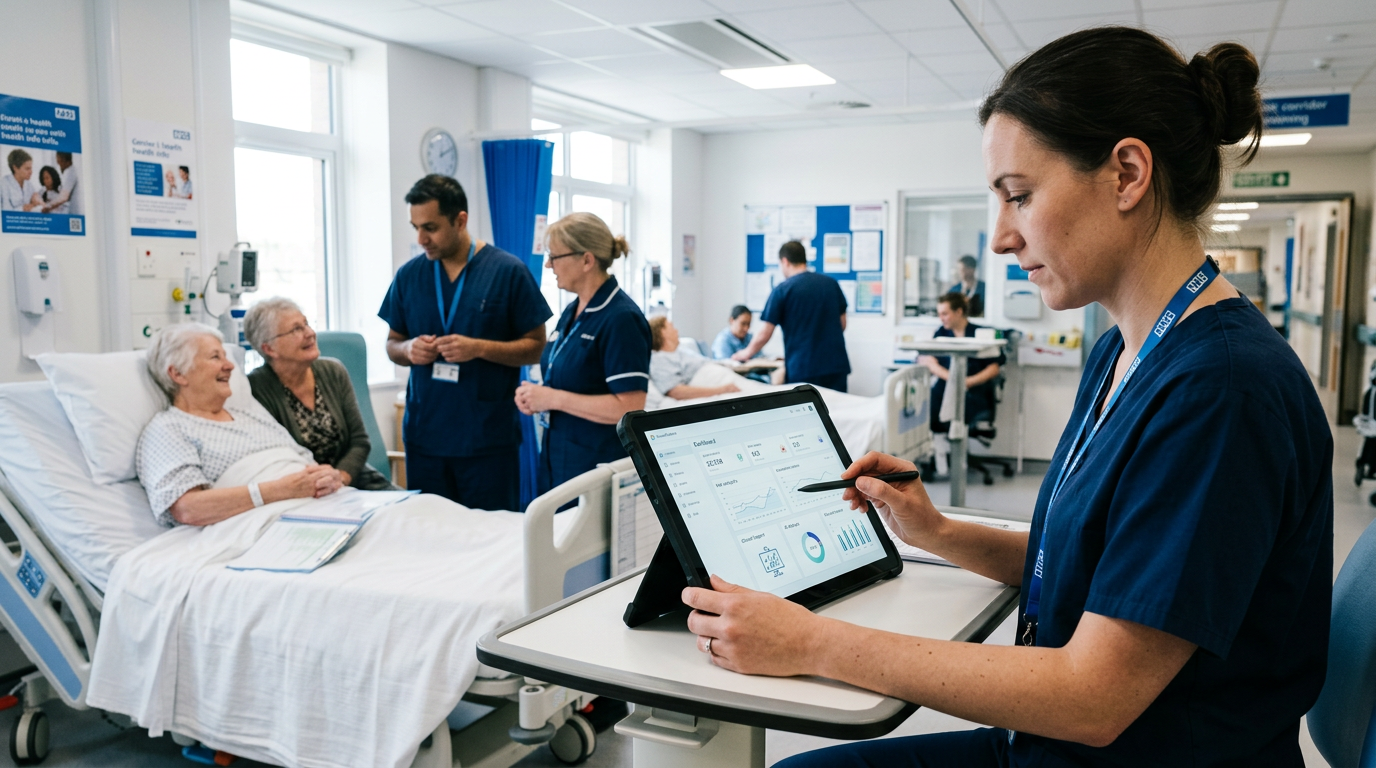
The NHS is accelerating the rollout of artificial intelligence across England as part of a major £10 billion technology investment designed to cut waiting times, reduce staff administration and improve care for millions of patients.
New technology being prioritised includes an AI triage tool within the NHS App, AI-powered notetaking for clinicians and digital services aimed at making it easier for patients to access the right care.
The £10 billion investment, spread over three years, will support a major overhaul of NHS technology, digital and data systems. The programme is expected to deliver around half of the commitments within the government’s 10 Year Health Plan and generate an estimated £41 billion in benefits over the next decade.
AI triage coming to the NHS App
Following a successful trial, the new NHS App AI triage tool is expected to reach more than 200,000 patients over the next 12 months before becoming available to all NHS App users by April 2028.
The technology asks patients questions about their condition before directing them towards the most appropriate care, including a GP appointment, pharmacy, A&E, community service or self-care advice.
A trial at a GP practice in Sussex resulted in a 29% reduction in patients queuing on the phone, helping ease the traditional 8am rush while maintaining patient satisfaction.
Traditional methods of contacting GP practices will remain available.
AI could give NHS clinicians more time with patients
The NHS is also expanding AI notetaking technology, known as ambient voice technology, which can record clinical conversations and generate real-time transcriptions and summaries.
Research found the technology could enable clinicians to spend nearly a quarter more time with patients. If introduced to more than 11,000 A&E clinicians across England, it could potentially create capacity for over 9,000 additional A&E consultations every day.
Trials are already producing promising results. At St George’s Hospital in Tooting, the technology saved clinicians an average of 47 minutes per shift, allowing each staff member to see an additional patient.
Alder Hey Children’s NHS Foundation Trust and Manchester University NHS Foundation Trust are also expanding AI notetaking programmes to more than 3,000 clinicians.
Building a more digital NHS
The investment will extend beyond AI, with plans for NHS Online virtual hospital appointments, digital rehabilitation tools and a Single Patient Record giving specialists a more complete view of patients’ medical histories.
Cyber security will also be strengthened, while more than 500,000 NHS staff are being given access to Microsoft Copilot following a trial which reduced administrative workloads by an average of two days per employee each month.
Together, the changes represent a significant step towards a more digitally connected NHS, using AI and technology to reduce waiting lists, increase clinical capacity and give healthcare professionals more time to focus on patients.